
The Hidden Value Behind 4,500 Plants
- Jun 2
- 2 min read

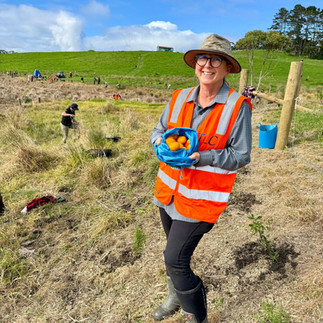

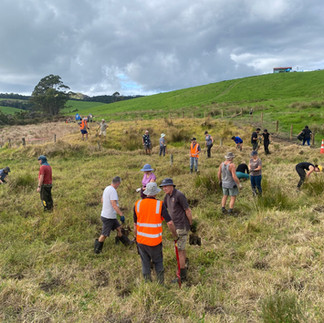


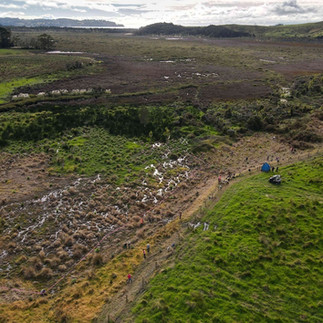




Looking at the photos from Fraser Farm, it's easy to focus on the impressive result: 4,500 native plants established across almost a hectare of challenging terrain in a single day.
But the real story begins long before the first spade enters the ground.
This project is a powerful example of the commitment of conservation groups to restore and reinvigorate ecological habitats through grass roots community leadership, and the value of investing in skilled environmental coordinators. While volunteers delivered an extraordinary planting effort, the foundations for success were built through vigorous assessment and prioritisation of high value ecologically important sites, months of planning, project proposals, sourcing funding support, relationship-building, partnership development and project coordination.
In this case, Takatu LandCare’s Committee and their Community Coordinator Karen Ward, in collaboration with Whangateau Catchment Collective, brought together the landowner, Auckland Council RENH and Healthy Waters as funding partners, technical conservation expertise, volunteers and council staff and many other community organisations, around a shared vision. Drawing on years of environmental community engagement experience, local knowledge, trusted relationships and leadership, Karen helped navigate the many moving parts required to turn an idea into a successful restoration project.
These outcomes don't happen by chance. They require someone who can connect people, identify opportunities, solve problems, secure resources, coordinate logistics and keep momentum moving forward. The strategic partnerships, collaboration and community participation seen at Fraser Farm are the result of dedicated effort behind the scenes.
This is why investment in paid coordination is so important. It doesn't replace volunteers; it enables them. It doesn't replace community passion; it amplifies it. It creates the structure, organisation and connections needed to transform goodwill into measurable environmental outcomes.
The Fraser Farm planting demonstrates what is possible when skilled coordination is combined with community commitment. The result was not only 4,500 plants in the ground, but stronger partnerships, deeper community connections, and a restoration project that will continue delivering benefits for years to come.
Restore Rodney East was proud to support the project through the provision of shared community resources and equipment. Seeing these tools helping local groups achieve ambitious outcomes reinforces the value of investing in shared infrastructure that strengthens the capability of environmental organisations across the region.
Congratulations to Karen Ward, Takatu Landcare, the Fraser Farm team, project partners and the 56 volunteers who made this achievement possible. Together, you have demonstrated what can be accomplished when leadership, collaboration and community come together with a common purpose.
Ngā mihi nui to everyone involved.
For more on the story, follow Takatu Landcare here: https://www.facebook.com/TakatuLandCare


